

Introduction
In recent years, Apple's iPhone series has always been a leader in the smartphone market and has been popular with consumers around the world. However, this year's iPhone 16 series suffered unexpectedly poor sales and the market response was not as expected. Let's briefly analyze whether the reason for this is that consumers really did not want to spend money, or whether there are problems with the product innovation and marketing of the iPhone itself.
🎟 Special Discount Now 🎟
Get 10% off with our special code!
✅ Copied!
table of contents
Weak innovation capabilities and inability to meet consumer expectations
Late adoption of AI leads to missed market opportunities
Continued decline in product quality is eroding Apple brand loyalty
The problem is that the product is not competitive.
Weak innovation capabilities and inability to meet consumer expectations
Technological innovation in technology products is a key factor in keeping consumers engaged, but the iPhone 16 series disappointed consumers in terms of innovation. At its launch, Apple highlighted the improved performance of the A18 processor, a new camera button, and an improved cooling system, but these upgrades were merely tweaks to existing technology and lacked fundamental change. In today's rapidly evolving smartphone industry, consumers expect more innovation than this. For example, users of the iPhone 14 or 15 series may not notice much difference in their experience with the 16 series, which may reduce their willingness to spend tens of thousands of yen on a new model.
Meanwhile, other smartphone manufacturers have made great strides in technological innovation, improving user experience and strengthening their competitiveness in the market. For example, other companies' smartphones undergo significant upgrades every year in terms of camera performance, battery life, fast charging, and design, creating a strong desire for consumers to upgrade. In comparison, the iPhone 16 series lacks novelty in terms of appearance, hardware, and functionality, and fails to meet consumer expectations for freshness and technological advancements.

Late adoption of AI leads to missed market opportunities
AI technology is one of the key factors that will determine the future of smartphones, but the iPhone 16 series failed to meet market expectations in terms of AI functionality. Apple promoted the "Apple Intelligence" feature at the launch event, but this feature was not released with the iPhone 16 series, and users had to wait until next year. This disappointed users who wanted to experience cutting-edge AI technology on their iPhones as soon as possible.
AI technology is currently developing rapidly, with many smartphone manufacturers increasing their investments in AI to enhance their competitiveness. However, the delay in the iPhone 16 series' AI features significantly undermined its competitiveness, especially in the Chinese market, and missed an opportunity to lead the AI smartphone trend. In contrast, other smartphone manufacturers have taken a proactive and flexible approach to applying AI technology, repeatedly optimizing AI algorithms and features to provide users with a more convenient and intelligent experience. Furthermore, AI technology in other smartphones has already been applied in many fields, and even though the AI features of the iPhone 16 series have been released to the market, they are not particularly attractive as must-have devices.
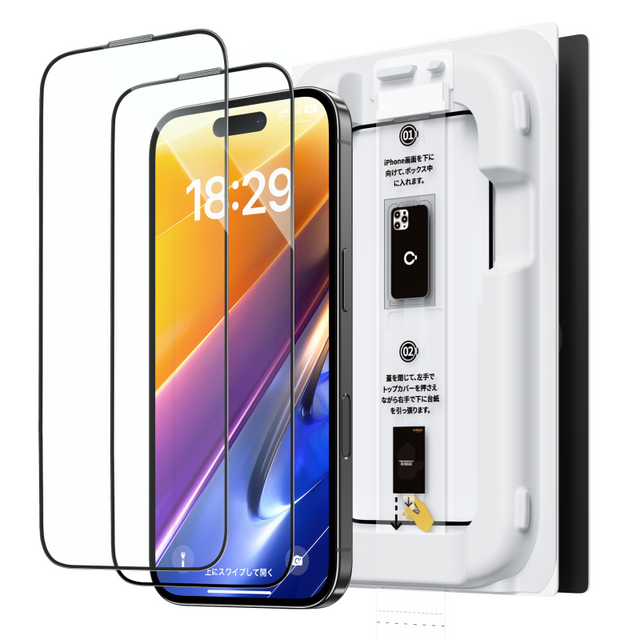
NIMASO "Bari-Raku Box" Gorilla Glass Screen Protector for iPhone 16/Pro/Pro Max, 9H+ Hardness, Black Edge with Guide Frame (2 Screens)
NIMASO's latest easy-to-use box design makes application easy, even for beginners. The accurate positioning device and automatic dust removal function ensure zero application failures.
Late adoption of AI leads to missed market opportunities
AI technology is one of the key factors that will determine the future of smartphones, but the iPhone 16 series failed to meet market expectations in terms of AI functionality. Apple promoted the "Apple Intelligence" feature at the launch event, but this feature was not released with the iPhone 16 series, and users had to wait until next year. This disappointed users who wanted to experience cutting-edge AI technology on their iPhones as soon as possible.
AI technology is currently developing rapidly, with many smartphone manufacturers increasing their investments in AI to enhance their competitiveness. However, the delay in the iPhone 16 series' AI features significantly undermined its competitiveness, especially in the Chinese market, and missed an opportunity to lead the AI smartphone trend. In contrast, other smartphone manufacturers have taken a proactive and flexible approach to applying AI technology, repeatedly optimizing AI algorithms and features to provide users with a more convenient and intelligent experience. Furthermore, AI technology in other smartphones has already been applied in many fields, and even though the AI features of the iPhone 16 series have been released to the market, they are not particularly attractive as must-have devices.

Declining product strength reduces Apple brand loyalty
More than a decade ago, owning an Apple device was a status symbol, and brand loyalty was extremely high.
Of course, the brand is only one aspect. The most important thing is that the iPhone captivated consumers with its overwhelming product power at the time. However, looking back now, that product power has almost disappeared. The things you can do and experience with the iPhone can be achieved by other Android smartphones as well, and in some cases, other smartphones may be better.
As the iPhone becomes less and less special, more and more users are choosing other smartphones that offer more power and better value for money.
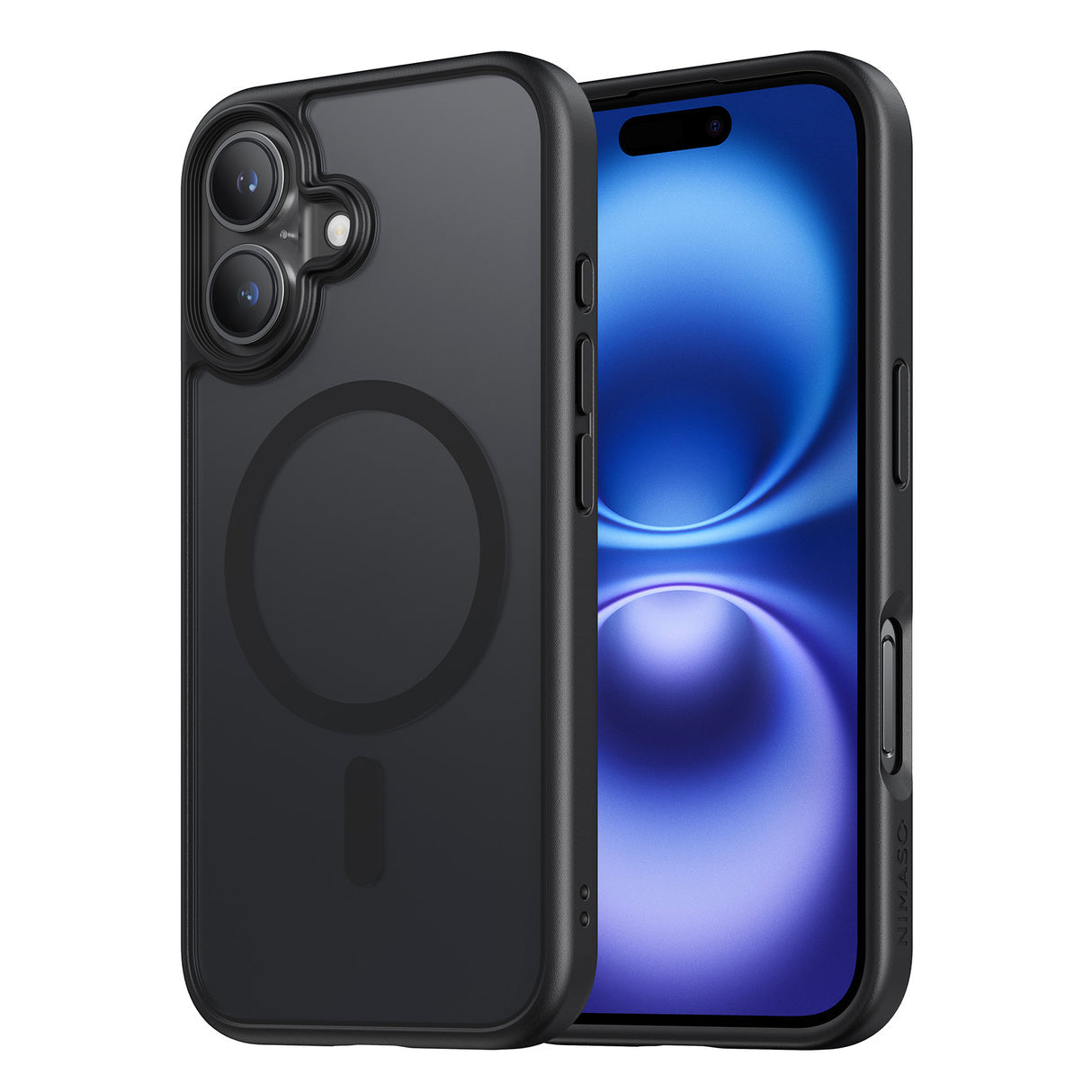
NIMASO iPhone 16/Plus/Pro/Pro Max Case, MagSafe Compatible, Matte Finish (Kuroba Series)
The latest MagSafe iPhone 16 case features powerful magnets for precise alignment, allowing for seamless wireless charging without plugging in.
The problem is that the product is not competitive.
Even if the iPhone 16 series released this year adopts a true full-screen display, charging speeds of over 150W, a 10x optical zoom camera, 50% longer battery life, and resolves signal and heat issues, these are features already available on other Android models. If the iPhone 16 inherits all of these features, the iPhone 16 series is likely to achieve very high sales even without Apple making any special innovations.
Therefore, price is not the biggest issue that is causing Apple to lose its market share. Currently, consumers still accept that Apple products are expensive, but the underlying logic is that Apple products were once several generations ahead of the market, so high prices were unavoidable. However, Apple has now lost that advantage, yet continues to choose high prices, which will gradually erode Apple's market share in the long run.

summary
The iPhone 16 series released by Apple this year suffered from poor sales and poor consumer response due to its lack of product strength, high price and low-cost performance. Therefore, we hope that Apple will learn from this experience, upgrade its products from the consumer's perspective and continue to develop.
If Apple can better consider consumer needs and improve its product performance and pricing strategies in future products, it may be able to regain market share and consumer trust. Especially in the highly competitive smartphone market, improving cost performance and user experience will be the key to success.
Please like this! Thank you for reading!
Comments, shares, and more are welcome!
Follow us to stay up to date on points, events and iPhone news


